How To Get An “Ipad Kid” To Read…
If you want to get an "iPad kid" or a highly stimulated digital native to look at an iPad and actually build neural pathways instead of just zoning out, you have to fight fire with fire.
The traditional knee-jerk reaction is to tear the screen away. But cognitive science and modern pedagogy tell us that the device itself isn't the enemy—the type of content is. When done right, digital reading can bypass the "screen slump" and actively promote deep literacy.
Here is a science-backed, field-researcher guide fromBouquet of Whimsyon how letting your digital child read a story on their iPad can actually trigger the exact neurological responses they need to become lifelong book lovers.
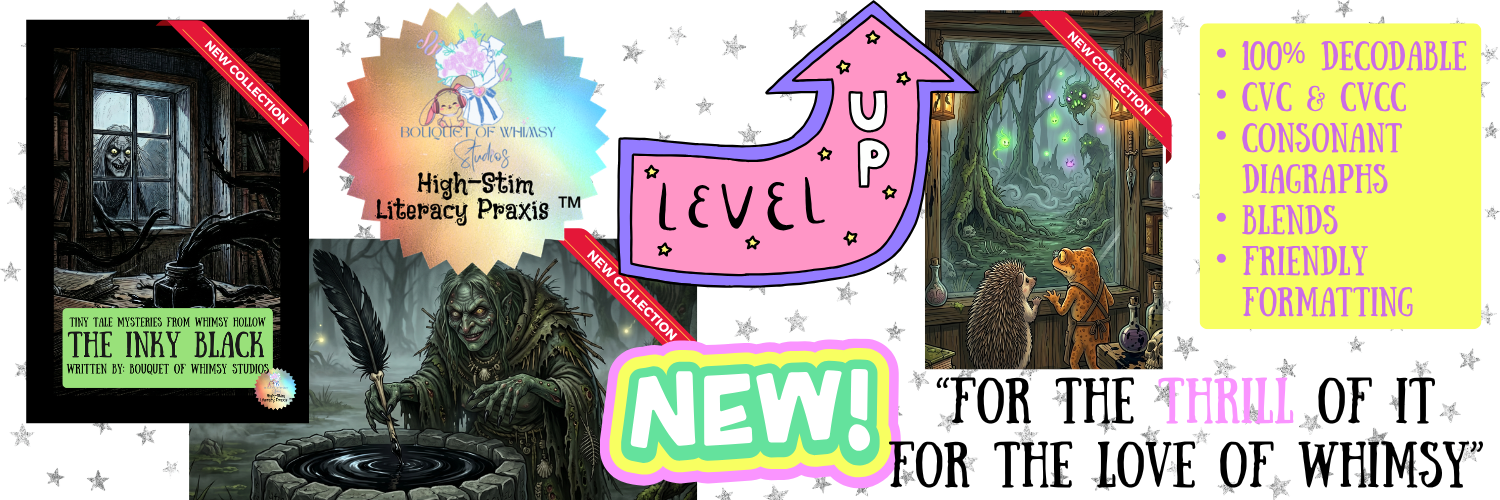
Reclaiming the Screen: How to Turn the iPad into a Literacy Powerhouse
We’ve all seen the dramatic shift: the vibrant, fast-paced world of an iPad app versus the flat, static text of a standard early reader. When a child calibrated to the rapid dopamine hits of digital media is handed a boring book, their dopamine levels plummet, their working memory bucket overflows with frustration, and they shut down.
But the tablet doesn't have to be an intellectual dead zone. By understanding High-Stim Literacy Praxis, we can use the iPad as a delivery system for deep, systematic phonics.
Here is the neurological and pedagogical proof that digital reading can spark a profound love for the hunt of the next word.
1. Harnessing the Dopamine Loop of the Digital Native
The human brain is not hardwired to read; it relies on neuroplasticity to literally recycle neural circuits in the visual and auditory cortex. For an iPad child, those circuits are conditioned to expect high-intensity engagement.
Instead of fighting this expectation, digital stories can use it to facilitate learning:
The Science of Engagement: When a digital story introduces high-intensity, atmospheric, or "dark whimsy" themes directly on the screen, it triggers a baseline dopamine release.
Sharpened Focus: This chemical reward doesn't distract the child; it sharpens their focus. The anticipation of what happens next in the digital narrative provides the exact adrenaline necessary to keep a reluctant reader invested in sounding out the text.
2. Lowering Cognitive Load on a Familiar Medium
One of the biggest hurdles for an emerging reader is cognitive load—the amount of mental effort being used in the working memory. When a child reads on a device they already associate with comfort and play, their emotional guard drops, reducing academic anxiety.
Familiar Digital Interface ➔ Lower Stress ➔ Reduced Cognitive Load ➔ Higher Working Memory Allocation for Phonics
By ensuring the digital story features a Zero-Guessing Architecture, we clear out the cognitive traffic jam. When an iPad story stays 100% decodable—focusing strictly on basic building blocks like CVC (Consonant-Vowel-Consonant) words, CVCC words, and easy blends—the child’s working memory bucket does not overflow with the mechanics of decoding. They use the smooth interface of the tablet to build immediate, automated confidence.
3. Merging "Jagged Pacing" with Visceral Phonics
The main reason traditional early readers fail modern children is that they offer "zero cognitive reward". A screen native's attention span is accustomed to the "fast cuts" and rapid delivery of modern media. Digital books can match this pacing textually.
Jagged Pacing: By utilizing short, punchy sentences on screen, the text mimics the rhythm of digital media, maintaining the child's attention and preventing their mind from drifting.
Visceral Phonics: The iPad's crisp display can highlight words that trigger strong sensory responses—such as hiss, skritch, damp, or thud. These words turn a digital decoding exercise into a highly physical, immersive experience that grounds the child in the world of the story.
The Verdict: Reclaiming Curiosity
The solution to the digital attention crisis isn't to banish the tablet; it's to change what the tablet is feeding your child's brain.
When we give an iPad kid a digital book engineered with rich, atmospheric visuals and highly disciplined phonics, we aren't just letting them stare at a screen. We are systematically firing the synapses that turn a "dirt road" neural pathway into a smooth highway of literacy fluency. We are using their favorite device to teach them to love the hunt for the written word.