Digital Journaling vs Analog Journaling: Why I Finally Made the Switch
Why I Digi-Journal Now (And Why Analog is a Beautiful Lie)
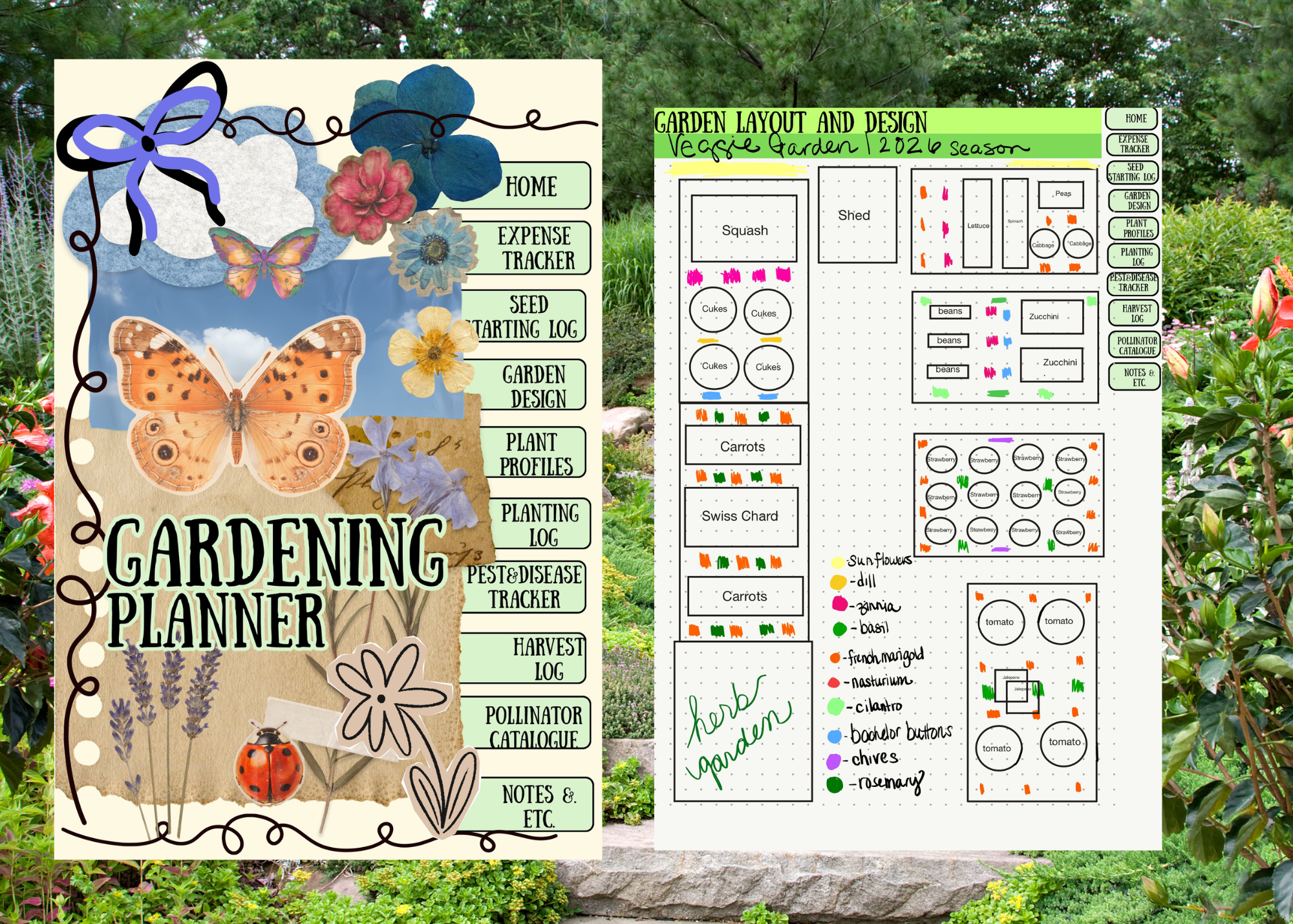
In the deeply romanticized corners of the digital world—where the dark academia, cottagecore, and whimsigoth aesthetics thrive—there is an almost religious reverence for traditional analog scrapbooking. We have all seen the intoxicating videos: the sensory indulgence of tea-staining thick cotton paper, the crisp scratch of a fountain pen, the slow melt of metallic wax seals, and the artistic layering of delicate vintage ephemera. It looks like absolute magic. It looks like the ultimate manifestation of an intentional, deeply lived life.
But let’s strip away the cinematic filters and the cozy background tracks for a moment. Let’s talk about the reality that happens the second the camera stops recording.
Traditional analog journaling carries a heavy, silent, and exhausting side effect: the physical clutter.
If you harbor a deep, visceral love for a romanticized lifestyle but an equally powerful hatred for physical clutter, the analog world quickly becomes a beautiful trap. To create just one of those gorgeous, layered layouts, your workspace is suddenly consumed. Your life becomes crowded by bulky plastic storage bins overflowing with loose stickers, fragile die-cuts, rolls of washi tape that lose their stickiness, and expensive paper scraps that you can’t bring yourself to throw away but have no place to store. Your physical desk—which should be a minimal, serene sanctuary for your mind—transforms into a chaotic warehouse of stuff.
That is exactly why I permanently closed the heavy paper binders, shoved the glue sticks into a drawer, and built a digital laboratory instead.
I didn't abandon the aesthetic. I just changed the canvas. Moving to digital journaling (or "digi-journaling") didn't ruin the spell—it saved it. Here is the definitive breakdown of why I switched to a digital canvas, how it completely redefines the concept of memory keeping, and why the future of the modern chronicler belongs entirely to the screen.
1. Aesthetics Without the Physical Burden
The single greatest myth holding people back from entering the digital space is the idea that digital journaling has to look cold, sterile, and computerized. People assume the transition means trading the warmth of storybook textures for flat grids, sterile gray spreadsheets, or corporate office documents that instantly shatter any sense of romantic escapism.
But that is only true if you treat your tablet like an office tool rather than an artistic medium.
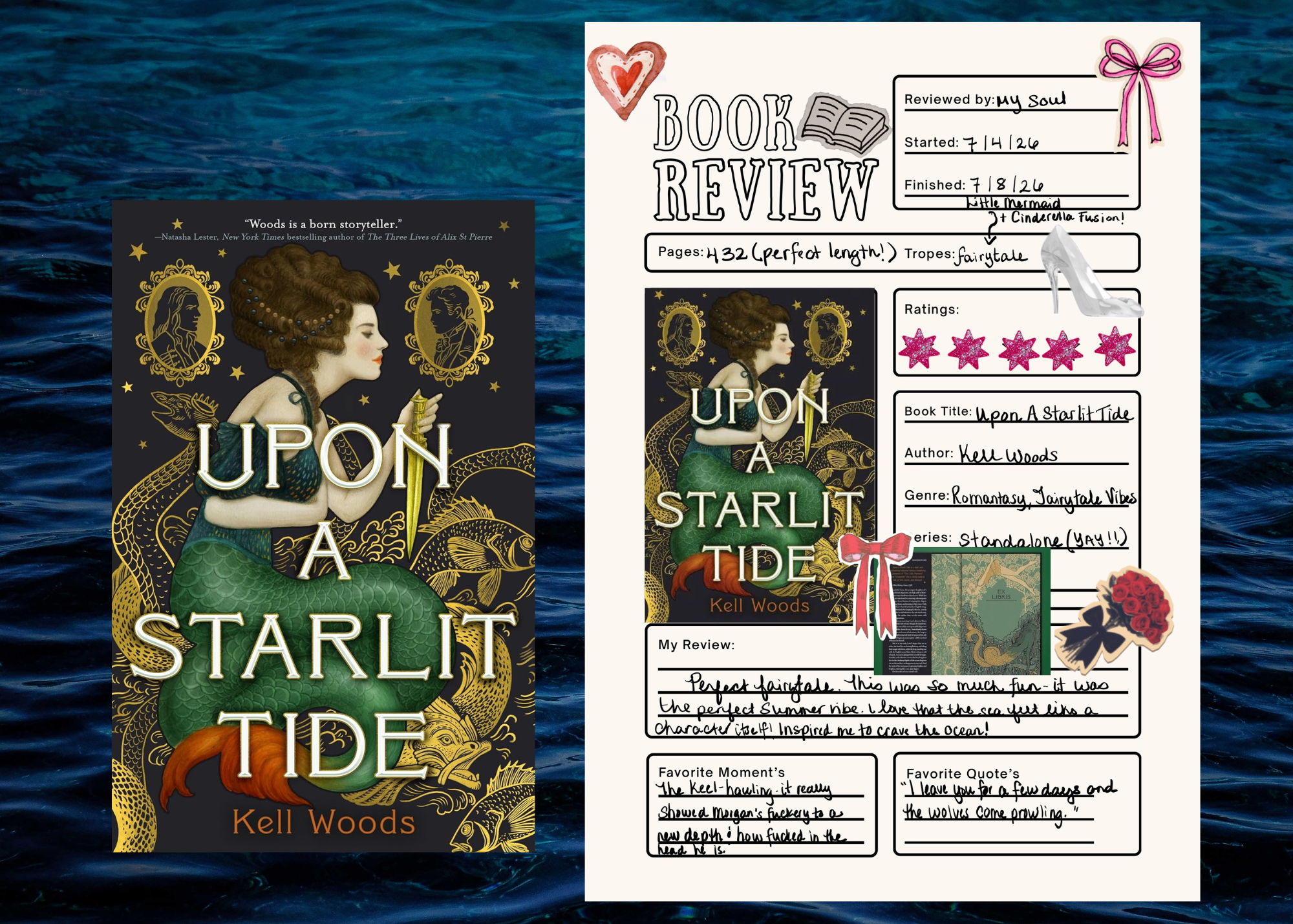
Digital crafting allows you to claim absolute ownership over your visual environment without a single shred of physical overhead. By using high-definition vintage paper grains, rich parchment textures, moody jewel-toned backgrounds, and perfectly rendered transparent ephemera, the technology completely dissolves. When you pair these digital assets with your own freehand digital handwriting and sketches, the glass screen disappears. You aren't merely interacting with an application; you are holding an ancient, leather-bound diary by a roaring fire.
You get the exact same atmospheric weight, the same vintage romance, and the same creative fulfillment—but when you turn the tablet off, your desk remains completely clean, minimal, and pristine. No sticky residue, no paper clippings on the floor, and no storage bins taking over your room.
2. Absolute Freedom: The Power of a Journal Ecosystem
When I was practicing analog journaling, I fell into a restrictive trap that almost every paper keeper experiences: the pressure of the single notebook. I would purchase a beautiful, expensive physical journal and immediately feel a paralyzing pressure to make every single page a flawless masterpiece. Because it was a fixed, linear book, I tried to cram my entire life into it. My deep, messy emotional processing sat directly next to my daily to-do lists, which sat next to my reading logs, which sat next to my travel memories. It became a chaotic, stressful binder that mirrored the exact mental clutter I was trying to escape.
The digital transition completely shatters this structural limitation through a concept I call the Journal Ecosystem.
Your mind is vast, complex, and contains many different rooms. It deserves an architectural layout that honors that variety. In a digital space, you are no longer confined to a single notebook. Instead, you can cultivate a curated collection of interconnected digital volumes, each custom-designed to house a specific chapter of your personal lore:
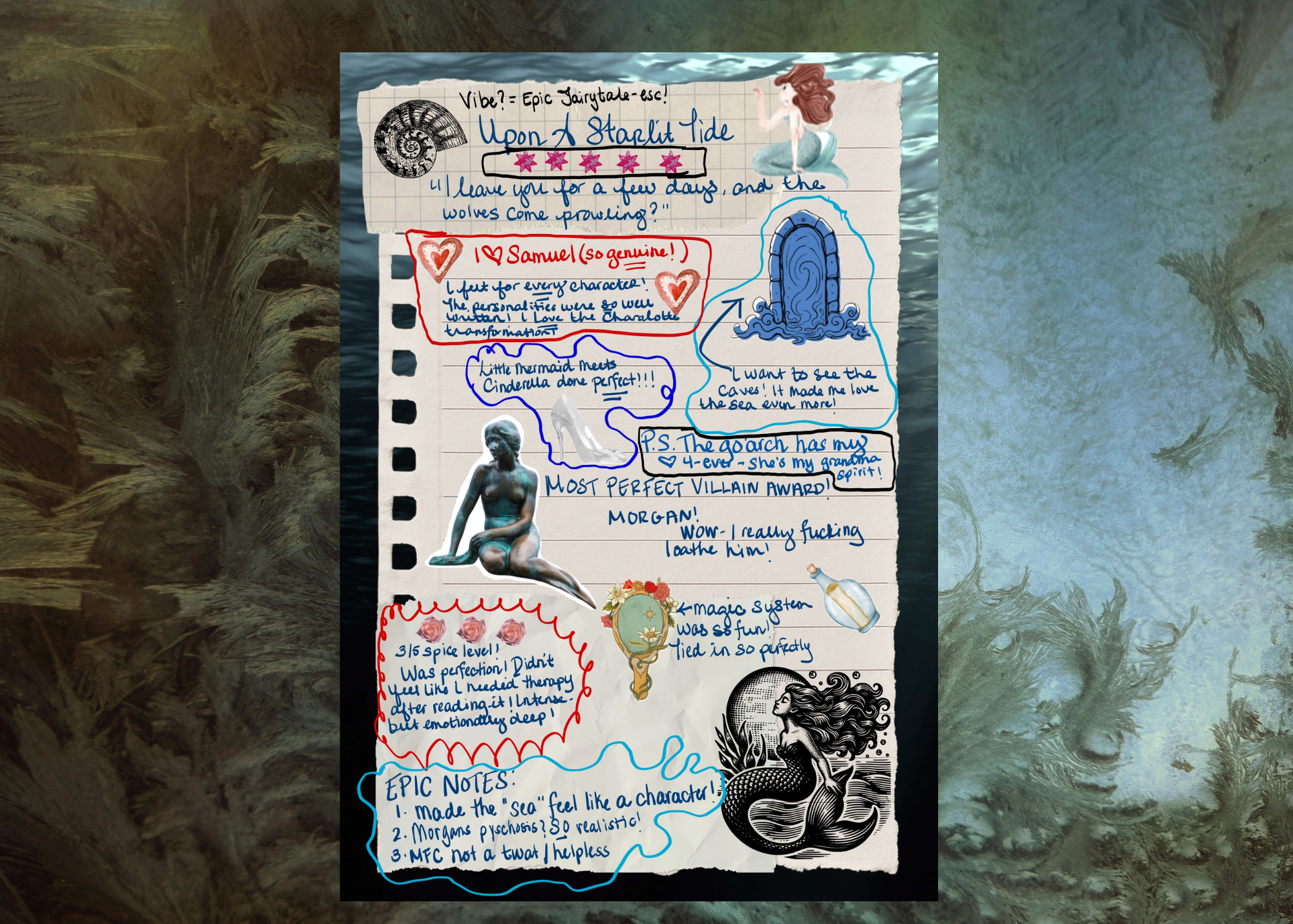
The Boundless Diaries & Scrapbooks: Expansive, unlined environments like The Adventure Diary built for deep freehand writing, raw emotional expression, and uninhibited mixed-media layering. This is where your mind goes to play, vent, and dream without the anxiety of a fixed structure.
The Interactive Ledgers: Meticulously indexed, hyperlinked spaces built specifically to track your intellectual consumption. Instead of a basic checklist, these are aesthetic sanctuaries where you can document character hierarchies, record haunting quotes from dark fantasy or historical lore, and sketch out reading maps.
The Ritual Planners: Clean, undated yearly or seasonal grids designed to house your habits, tracking metrics, and daily intentions without the rigid, tech-anxious pressure of standard productivity apps.
When your creative practice is split into an intentional ecosystem, a profound shift happens. Your planning stays impeccably organized, your creative scrapbooking remains entirely free and artistic, and your physical environment remains an oasis of calm.
3. Seamless Travel Journaling: Done with the Heavy Field Kits
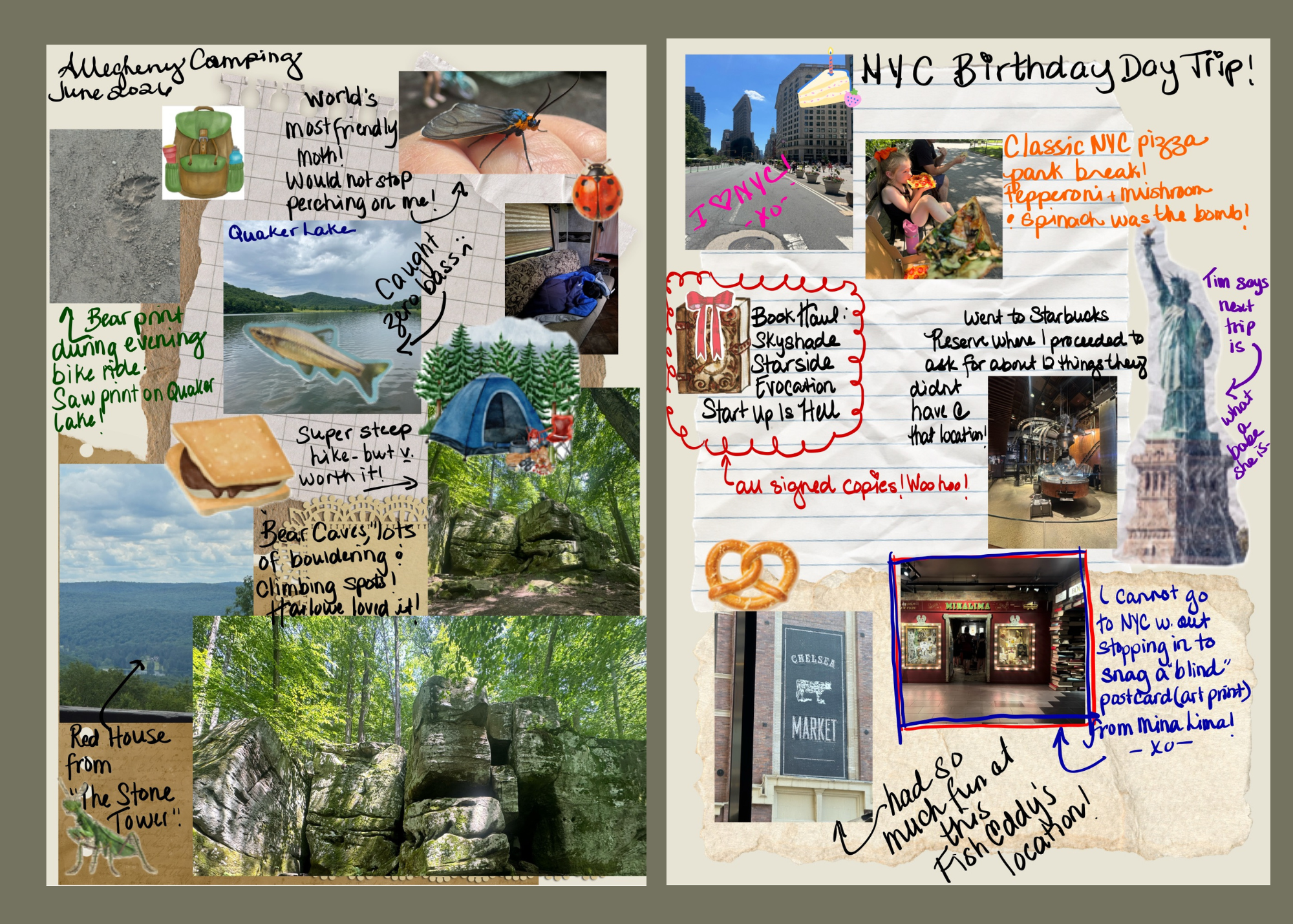
There is no place where the contrast between analog and digital is sharper than when you are traveling. True wanderlust demands agility, but analog travel journaling demands an entire suitcase dedicated to art supplies.
We have all had the romantic fantasy of sitting in a cobblestone café in a foreign city, sipping an espresso, and meticulously scrapbooking our day. But the logistics are a nightmare. You have to pack scissors, specific adhesive runners, a selection of pens that might leak on the flight, a Polaroid printer with expensive film, and a collection of ticket stubs and paper ephemera that constantly threaten to blow away in a sudden breeze. You spend more time managing your supplies and worrying about ruining a page than actually experiencing the destination.
Digital journaling completely redefines the travel experience by introducing absolute ease of use.
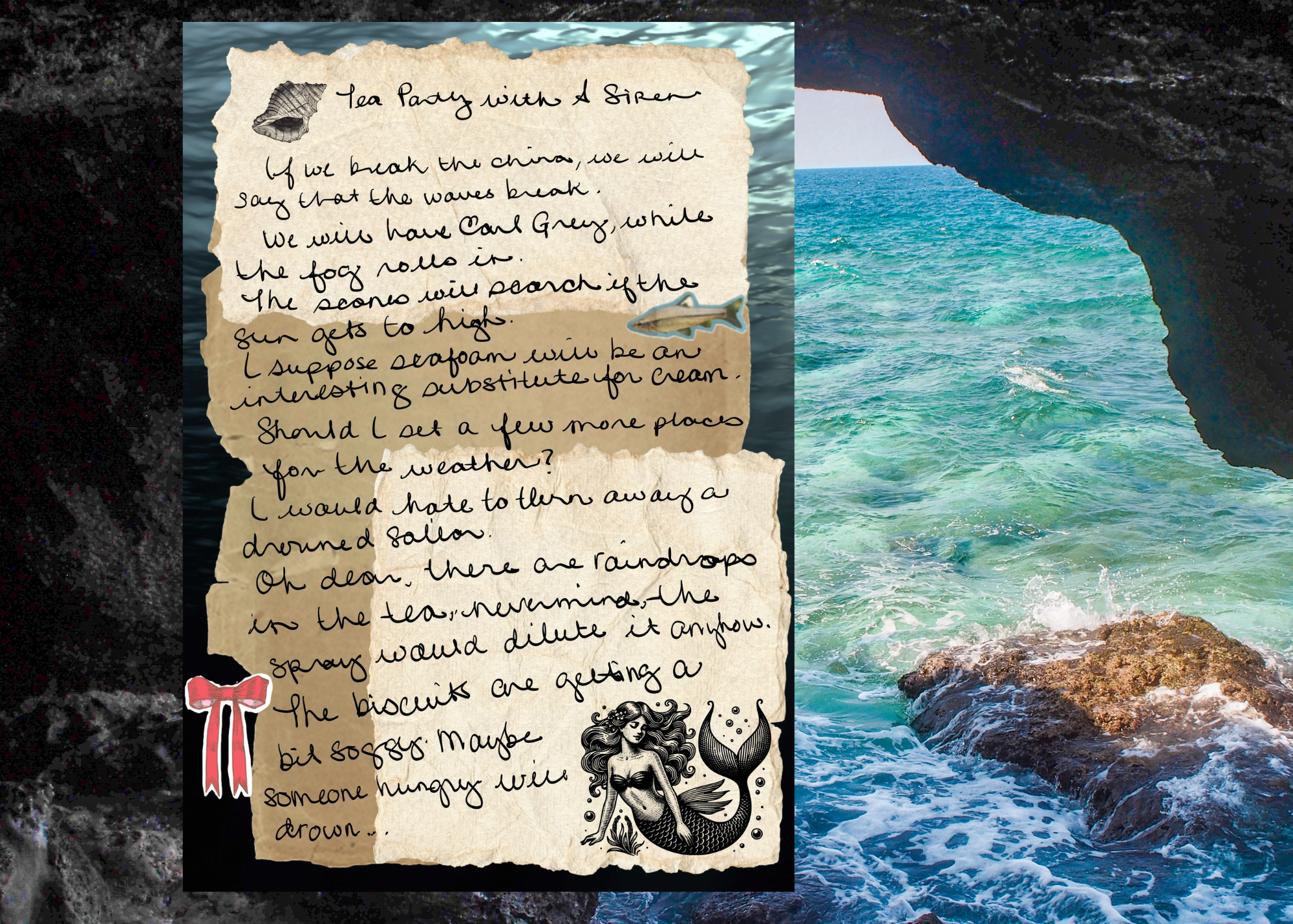
When I travel now, my entire art studio fits into a single, slim tablet. I don’t carry scissors; I use a digital lasso tool. I don’t carry glue; I tap a screen. If I am sitting on a moving train, a bumpy bus, or a cramped airplane tray table, I can craft an incredibly complex, gorgeous layout without needing a flat surface to spread out supplies. The friction of preparation is entirely gone, leaving only the pure joy of creation.
4. Instant Sharing & The Magic of the Digital Upload

Perhaps the most revolutionary aspect of digi-journaling is how it transforms your memories from isolated artifacts into living, shareable media.
An analog scrapbook is an incredibly insular object. Once a page is finished, it sits trapped on a dark bookshelf, collecting dust. If you want to show someone a layout you made of a family trip, they have to physically stand over your shoulder in your living room to see it.
In the digital laboratory, your memories are boundless. The instant uploading and sharing features change everything:
The Live Photo Integration: Instead of waiting to get home to print out low-resolution physical photos or dealing with bulky portable printers, you can drop a crystal-clear smartphone photo directly onto your digital parchment page the exact second you take it. You can crop it into a perfect circle, overlay a vintage filter, and tuck it behind a digital frame seamlessly.
Instant Exporting: The moment you finish a stunning layout detailing a quiet morning or an extraordinary travel discovery, you can instantly export a high-resolution visual snippet. With a single tap, you can text it to a family member across the country, drop it into a shared smart calendar, or upload it to your personal archive.
Boundless Security: Physical journals are terrifyingly fragile. They can be ruined by a spilled cup of tea, lost in transit, or damaged in a move. A digital journal ecosystem can be backed up instantly to the cloud. Your personal lore, your deep reflections, and your artistic layouts are permanently preserved, safe from physical decay.
5. The Ultimate Antidote to the Modern Doomscroll
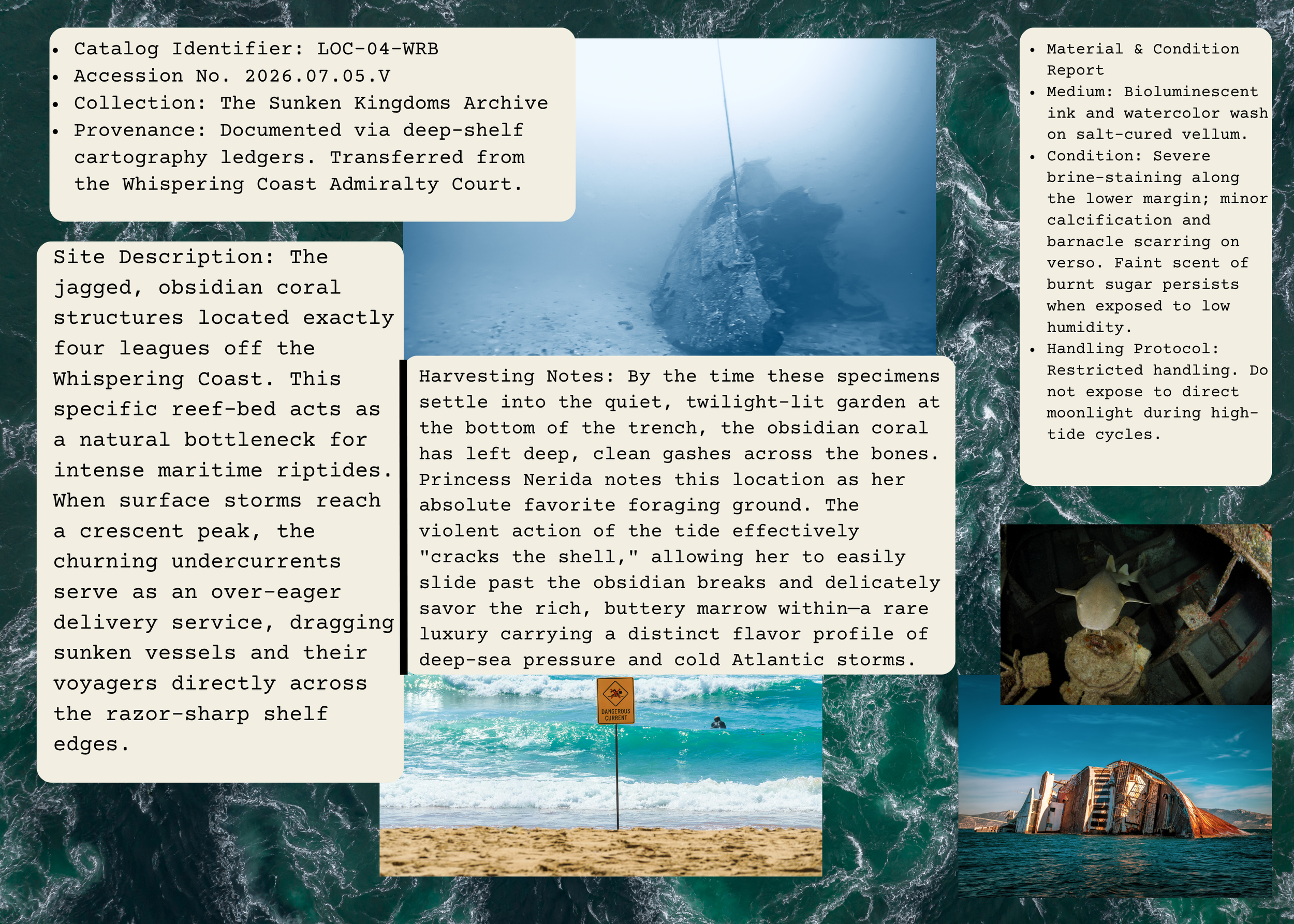
At the end of a exhausting day, our brains are desperate for an escape. Tragically, most of us turn to our screens for that escape in the worst way possible—by opening algorithmic social feeds and falling into a passive, mindless doomscroll. We consume endless, fragmented noise that leaves us feeling even more over-stimulated and disconnected.
Choosing to open a digital journal instead is a gentle, radical reclamation of your attention span.
You are taking the exact same device that society uses to fragment your focus and repurposing it to deepen your self-awareness. When you pick up a stylus and begin tracing your thoughts onto a textured digital page, you shift instantly from a passive consumer to an active creator. You are building a private digital sanctuary so immersive, so beautiful, and so distinctly yours that the rest of the online noise simply fades away.
If you are standing at the edge of the woods wondering how to make the transition from paper to screen, do not let the technology daunt you. You do not need to be a graphic designer or a tech wizard to build an empire of memories.
Head over to our Archival Field Guide & FAQ Page to unlock our complete technical breakdown, discover beginner-friendly layout tips, and learn exactly how to curate your very first clutter-free digital masterpiece. The chronicle is wide open, and there is a blank page waiting for your story. How will you tell it?